If you’ve ever noticed white chalky spots on your taps, felt your skin become unusually dry after a shower, or watched your soap struggle to lather, chances are you’re dealing with hard water. Stained sinks, dull hair, cloudy utensils, and an unpleasant taste or smell in tap water are all common signs many households face daily. This is where a hard water filter for tap can make a noticeable difference.
What Is Hard Water?
Hard water contains higher levels of dissolved minerals like calcium and magnesium. While it isn’t necessarily unsafe, it can cause buildup on fixtures, affect skin and hair, and reduce the efficiency of soaps and detergents. A tap water filter attaches directly to your faucet and passes water through filter media designed to trap impurities, reduce chlorine, and improve overall water quality before it reaches your hands.
Key Benefits of a Hard Water Tap Filter.
- Reduces chlorine (if the filter is specifically designed for it), which can help improve taste and odor
- Improves overall water quality for everyday use
- May help reduce skin dryness and irritation often linked to chlorinated water
- Makes washing vegetables, fruits, and utensils feel cleaner and more pleasant
- Helps reduce visible mineral deposits on taps and sinks (where applicable)
It’s important to be realistic: results depend heavily on the filter technology used. A standard tap filter cannot fully soften hard water unless it uses a dedicated water-softening mechanism such as ion exchange. Think of it as a hard water solution for improving water quality — not a complete softener.
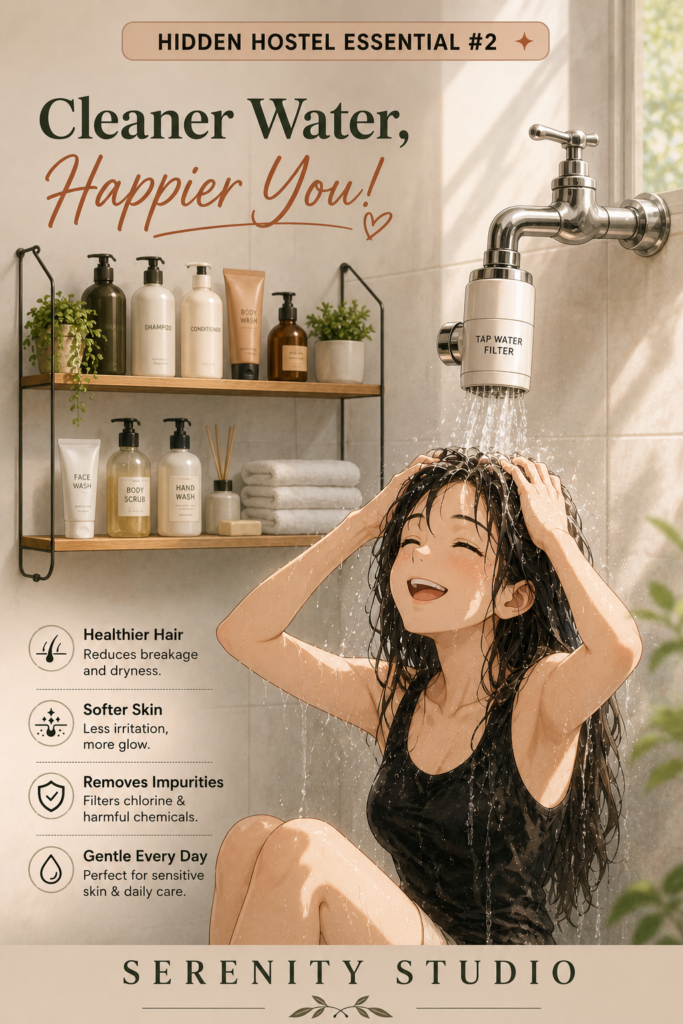
Maintenance: Why Cartridge Replacement Matters .
Most filter cartridges need replacement approximately every 6 months, or as recommended by the manufacturer. Over time, the filter media becomes saturated and gradually loses its ability to effectively reduce chlorine and other impurities. Replacement intervals may vary depending on your water quality and daily usage. Regular cartridge replacement is essential to maintain consistent filtration performance.
Tips for Choosing the Best Tap Filter.
Before buying a chlorine filter for tap or any water filter for home, check:
- Compatibility with your tap design
- Type of filter media used
- Certified testing or verified performance claims
- Cartridge replacement cost and availability
- Flow rate to avoid slow water pressure
- Ease of installation
Final Thoughts.
The best tap filter for you depends on your local water quality, budget, and filtration needs — not marketing hype. Choose thoughtfully, maintain it well, and you’ll enjoy cleaner, more pleasant water every day.
Affiliate link is present below if you’d like to check the product.
- For tap water filter: https://link.amazon/B05KP4LOB
- For shower filter: https://link.amazon/B07EfOspj
Thankyou for reading this blog..